



The release date for Grand Theft Auto VI has been confirmed as November 19, 2026. This marks the second major delay for the highly anticipated title, which was initially expected in fall 2025 and later moved to May 2026. Fans have had to adjust their expectations as Rockstar Games continues to refine the game.
Despite the setbacks, the extended development time reflects Rockstar’s commitment to delivering a polished experience. The new setting, characters, and gameplay features promise to build on the legacy of the previous entries, making the wait significant but purposeful.
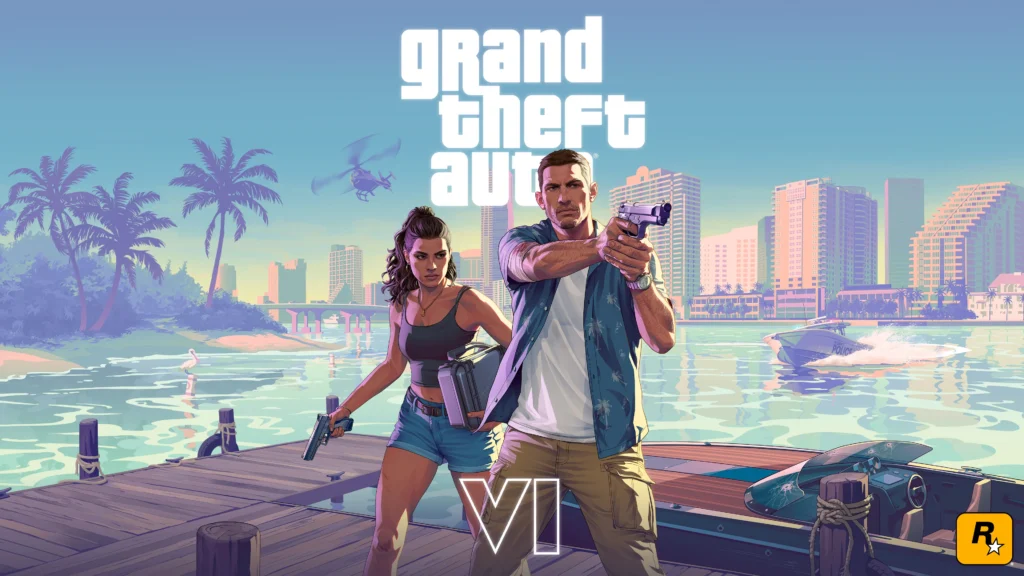
GTA Release Date Announcements
The release date for Grand Theft Auto VI has undergone several adjustments since its initial projection. These changes reflect the challenges of development and the strategic timing aimed at maximizing the game’s success.
Official Reveals
Rockstar Games officially announced the release date of GTA VI as November 19, 2026. This marks a delay from an earlier planned launch in May 2026 and an even earlier target of late 2025. The announcement included an apology for the extended wait and emphasized the need for additional development time.
The revised date aims to position the game in time for the 2026 holiday season. Rockstar also released new promotional content alongside the date, signaling an active marketing push. There is no confirmed release date for the PC version yet, and details remain scarce.
Developer Statements
Rockstar Games has communicated openly about the reasons behind the delay. The extra months are intended for further polishing of the game to meet high-quality standards. Developers expressed a commitment to delivering a refined product rather than rushing the release.
Statements indicate that development took longer than initially anticipated, affecting console launch timing. Rockstar’s transparency highlights their priority on player experience and technical excellence. They acknowledge the frustration caused by delays but insist the wait will improve the final product.
Publisher Announcements
Take-Two Interactive, the game’s publisher, confirmed the delay and supported the revised schedule. Their messaging focused on strategic timing and market readiness, allowing for a broader marketing campaign. Take-Two also noted the extended timeline applies to consoles, with no new information on PC availability.
Public statements from Take-Two emphasize patience, assuring fans the quality and polish justify the delay. The company aligns with Rockstar’s position, valuing a strong launch window in November 2026 over earlier, less certain dates. This approach reflects a broader trend in the industry toward prioritizing product readiness.
History of GTA Release Dates
The Grand Theft Auto series has seen a consistent stream of releases since its debut in 1997. These releases reflect shifts in technology, narrative ambition, and market strategy. Examining the timeline, launch patterns, and delays offers insight into how the franchise evolved over nearly three decades.
Timeline of Previous Titles
The first Grand Theft Auto launched in 1997 as a top-down action game. Key main entries include GTA II (1999), GTA III (2001), which shifted to 3D, and GTA: Vice City (2002). GTA: San Andreas followed in 2004, expanding the open world significantly. The series continued with GTA IV in 2008 and GTA V in 2013, which remains popular as of 2025.
The franchise also includes expansions and spin-offs between main titles. Each major release roughly followed a 3–5 year cycle, allowing for technological improvements and narrative development.
| Title | Release Year | Notable Features |
|---|---|---|
| GTA | 1997 | Top-down view |
| GTA II | 1999 | Improved gameplay, futuristic |
| GTA III | 2001 | 3D world, story-driven |
| Vice City | 2002 | 1980s setting, iconic soundtrack |
| San Andreas | 2004 | Large map, RPG mechanics |
| GTA IV | 2008 | Realistic physics, new engine |
| GTA V | 2013 | Multiple protagonists, online |
Patterns in Launch Dates
GTA release dates often target the fall season, aligning with holiday shopping periods to maximize sales. For example, GTA III, Vice City, and San Andreas all launched between October and November. This pattern continued with GTA IV and GTA V, both debuting in October.
Rockstar Games tends to announce release dates well in advance, creating anticipation. The timing also allows post-launch marketing campaigns and expansions within the same fiscal year. The fall release window is significant for capturing both casual and core gamers during peak purchasing times.
Delays and Postponements
Several GTA titles experienced delays that shifted release plans. GTA IV was postponed multiple times before its October 2008 launch, to refine its realistic physics and graphics engine. GTA V also faced delays from an expected 2012 release to late 2013, ensuring a polished experience across platforms.
These postponements reflect Rockstar’s focus on quality and technical innovation over rushed launches. Announced upcoming titles, such as GTA VI, have seen speculation about delays but remain scheduled for release when ready rather than on fixed dates. Rockstar prioritizes stability and player experience in launch timing decisions.
Rumors and Speculation Surrounding GTA Launch
Speculation about GTA 6’s release has centered on potential delays, new gameplay features, and platform availability. Fans and insiders alike have analyzed leaks and hints, fueling ongoing debates about the launch timeline and what the game will include.
Leaked Information
Leaked details have suggested multiple changes to the release date over time. Originally targeted for late 2025, Rockstar officially delayed GTA 6 first to May 26, 2026, and then more recently to November 19, 2026. These leaks also hinted at expanded content and possibly exclusive features for consoles.
Some rumors stem from unofficial uploads and videos circulating on platforms such as YouTube, although these are often quickly removed or proven to be inaccurate. Speculation about hints in marketing materials or hidden messages in trailers has also been common.
Community Hype
The fan community remains active and highly engaged, especially around the announcement of new trailers or updates. Reaction often includes detailed analysis of short clips, speculating on storylines, characters, and game mechanics.
YouTube view counts and social media trends spike during these periods, signaling strong anticipation. Fans have formed online groups dedicated to tracking any new information, often correlating supposed leaks with official timing patterns in Rockstar’s previous releases.
Industry Insider Reports
Reports from industry insiders have largely confirmed the delays but also offered insight into the reasons behind them. Delays appear focused on ensuring quality and delivering what Rockstar describes as an “unrivalled experience.”
Some insiders suggest that the game’s complexity and ambition, including multi-platform support and enhanced online features, have extended development time. Others speculate that Rockstar is sensitive to the high expectations set by prior titles, prompting a more cautious release schedule.
Factors Influencing GTA Release Timing
The timing of GTA releases depends on several key elements, including the length and complexity of development, shifts in consumer habits and market demand, and technical considerations tied to the gaming platforms. These factors interact to shape when Rockstar decides to launch each new title.
Development Cycle
The GTA series has seen increasingly extended development cycles over time. Earlier titles released every 2-3 years, but GTA IV and GTA V introduced much longer gaps of 5 years or more. This longer cycle reflects the growing complexity of the games, which require more advanced graphics, larger open-world environments, and deeper gameplay mechanics.
Delays often arise to ensure quality and polish, avoiding premature releases. For instance, GTA VI faced multiple postponements to improve technical readiness and incorporate player feedback. Rockstar prioritizes completing the game’s features and fixing bugs before announcing an official date, to maintain their reputation for high standards.
Market Trends
Consumer demand and broader market trends heavily influence GTA’s release schedule. Rockstar tends to avoid periods crowded with competing major launches to maximize sales impact. Holiday seasons, especially late November and December, are favored due to increased purchasing activity.
The success of GTA V continues to affect timing, as it remains highly popular years after release. This ongoing sales strength reduces immediate pressure for a new title, allowing Rockstar to strategically delay GTA VI to avoid oversaturation. Market trends also guide promotional timing, syncing announcements with major gaming events like E3 to build anticipation.
Platform Considerations
Platform readiness and technological advancements play crucial roles in scheduling GTA releases. Rockstar coordinates launch dates with new console cycles or significant hardware upgrades to optimize performance and reach.
Cross-platform compatibility is another factor. Ensuring smooth play on multiple systems, including current-gen and next-gen consoles, requires extensive testing and can extend timelines. The company also times releases to align with digital storefront updates and promotional calendars, leveraging platform marketing opportunities.
Maintaining cutting-edge visuals and gameplay on all targeted devices shapes the release window significantly.
Impact of GTA Release Dates on the Gaming Industry
The shifting release dates of the Grand Theft Auto series, especially GTA VI, have significant effects on sales dynamics and competitor strategies. These delays reshape market expectations and force industry players to adapt their plans.
Sales and Preorders
Delays to GTA VI’s release, now scheduled for November 19, 2026, have disrupted the usual sales patterns for the entire gaming sector. GTA titles typically generate massive preorder volumes, driving early revenue spikes. When release dates shift, it affects cash flow projections not just for Rockstar but for retailers and distributors as well.
The uncertainty around GTA VI’s launch has tempered preorder enthusiasm temporarily, but anticipation remains strong. The delay also reallocates consumer spending, potentially boosting sales for other games in the intervening period.
Publishers rely on this flagship event to anchor marketing calendars. When it moves, sales forecasts must adjust, impacting financial planning across multiple companies.
Competitor Responses
Game publishers monitor GTA’s release timeline closely to avoid direct competition with what is expected to be one of the highest-selling games. The latest delay has forced many to rethink launch windows.
Competitors either postpone their own releases to avoid being overshadowed or accelerate launches to capture market share before GTA VI arrives. This creates a ripple effect, shifting release schedules across various genres.
Strategically, companies delay high-profile titles or adjust marketing efforts to steer clear of direct clashes. Some smaller studios seize this window to promote games without competing against a blockbuster like GTA, influencing industry-wide timing decisions.